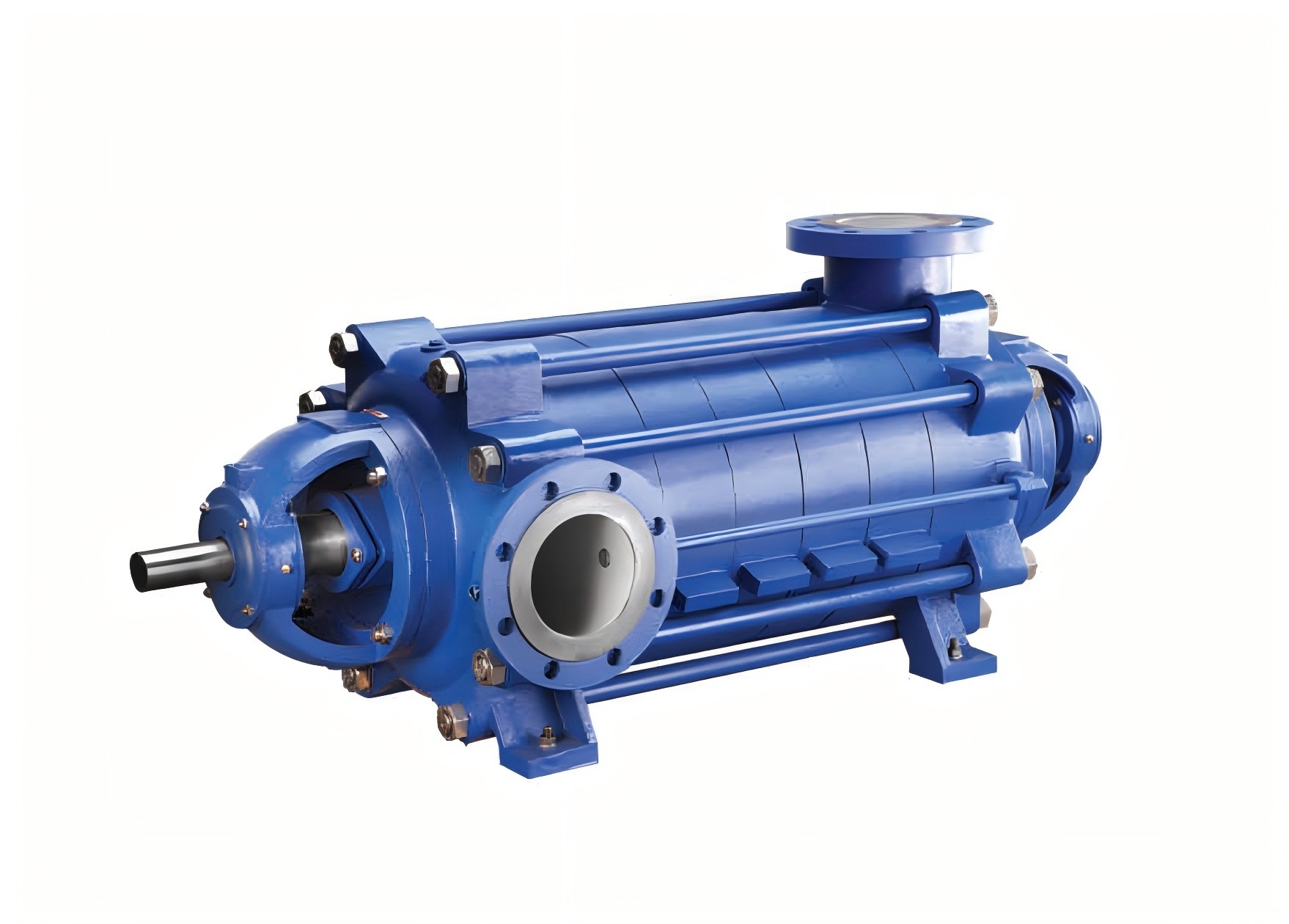

How to understand the relationship between the head of a water pump and the inlet and outlet water?
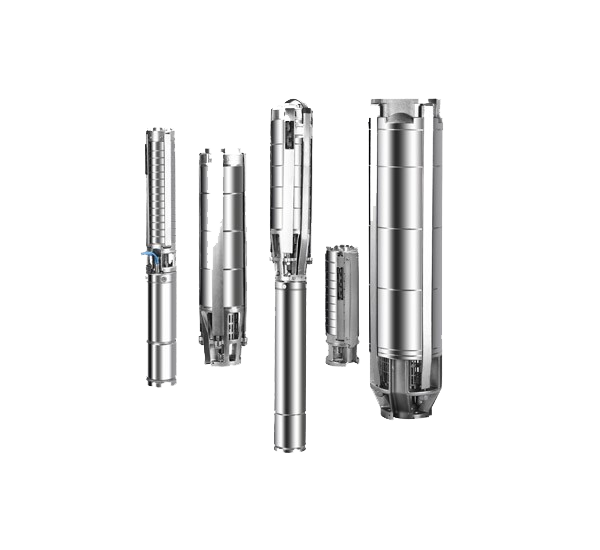
1.High-head pumps are used for low-head pumping
Many people believe that the lower the pumping head, the smaller the motor load. Under the misleading influence of this misconception, when purchasing a water pump, people often choose a very high pumping head. In fact, for centrifugal water pumps, once the pump model is determined, the amount of power consumed is directly proportional to the actual flow rate of the pump. And the flow rate of the pump will decrease as the pumping head increases. Therefore, the higher the pumping head, the smaller the flow rate, and the less power is consumed. Conversely, the lower the pumping head, the greater the flow rate, and the greater the power consumed.
Therefore, to prevent the motor from overloading, it is generally required that the actual pumping head of the water pump should not be lower than 60% of the rated pumping head. So when a high pumping head is used for pumping at a low pumping head, the motor is prone to overloading and overheating. In severe cases, the motor may even be burned out. If it is used in an emergency, a gate valve (or a wooden block, etc.) must be installed on the outlet pipe to regulate the water output, in order to reduce the flow rate and prevent the motor from overloading. Pay attention to the temperature rise of the motor. If you find that the motor is overheating, you should promptly reduce the water outlet flow or shut down the machine. This point is also prone to misunderstanding. Some operators think that blocking the water outlet and forcibly reducing the flow rate will increase the load on the motor. In fact, the opposite is true. The outlet pipes of regular high-power centrifugal pumping units for irrigation and drainage are all equipped with gate valves. To reduce the motor load during the startup of the unit, the gate valve should be closed first, and then gradually opened after the motor starts. This is the reason.
2.Using a large-diameter pump to draw water through a small pipe
Many users believe that this can increase the actual head. In fact, the actual head of a pump = total head - loss head. Once the pump model is determined, the total head is fixed.
The loss of head mainly comes from the pipeline resistance. The smaller the pipe diameter, the greater the resistance, and thus the greater the loss of head. Therefore, after reducing the pipe diameter, the actual head of the pump will not increase but will decrease instead, resulting in a decline in the pump's efficiency.
Similarly, when a small-diameter pump is used to draw water through a large pipe, it will not reduce the actual head of the pump. Instead, due to the reduced resistance of the pipeline, the loss head will decrease, resulting in an increase in the actual head. Some users also believe that when a small-diameter pump is used to draw water through a large pipe, the motor load will definitely increase significantly. They think that after the pipe diameter is increased, the water in the outlet pipe exerts greater pressure on the pump impeller, thus significantly increasing the motor load.
Little do people know that the pressure of a liquid is only related to the height of the water column, and has nothing to do with the size of the pipe's cross-sectional area. As long as the water column height remains constant, and the size of the pump's impeller remains unchanged, regardless of the pipe diameter, the pressure acting on the impeller will be the same. Only when the pipe diameter increases, will the water flow resistance decrease, resulting in an increase in flow rate and a corresponding increase in power consumption.
However, as long as it is within the rated head range, regardless of how the pipe diameter increases, the pump can still operate normally, and it can also reduce pipeline losses and improve the pump's efficiency.
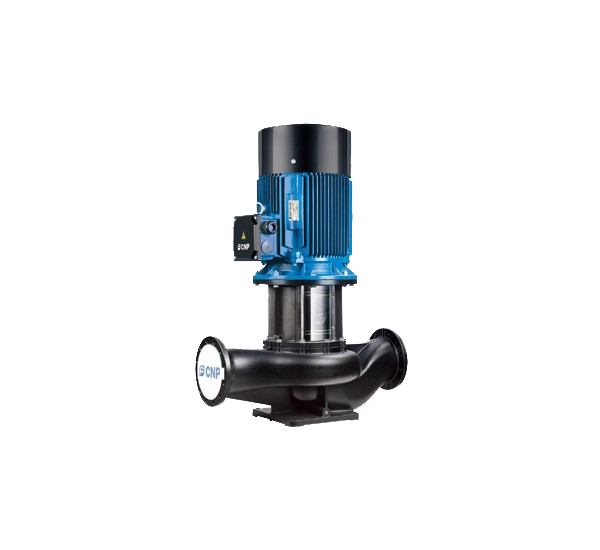
3.When installing the inlet water pipeline, the horizontal section should be level or slightly upward sloping
oing this will cause air to accumulate in the inlet pipe, reducing the vacuum degree of the pipe and the pump, lowering the suction height of the pump and reducing the water output. The correct approach is: The level sections should be slightly inclined towards the water source, not level, and definitely not upwardly curved.
4.There are many elbows used on the inlet pipe
If there are many elbows on the inlet pipe, it will increase the local water flow resistance. Moreover, the elbows should turn in the vertical direction and are not allowed to turn in the horizontal direction to avoid the accumulation of air.
5.The water inlet of the pump is directly connected to the elbow
This will cause the water flow to be uneven when passing through the elbow and entering the impeller. When the diameter of the inlet pipe is larger than that of the pump's water inlet, an eccentric reducer pipe should be installed. The flat part of the eccentric reducer pipe should be placed on top, and the inclined part should be placed on the bottom. Otherwise, air will accumulate, the water output will decrease or the pump will not be able to draw water, and there will be knocking sounds, etc. If the diameter of the inlet pipe is equal to that of the pump's water inlet, a straight pipe should be added between the pump's water inlet and the elbow. The length of the straight pipe should not be less than 2 to 3 times the diameter of the pipe.
6.The lowest section of the inlet pipe with a bottom valve is not vertical
If installed in this way, the valve cannot close automatically, resulting in water leakage. The correct installation method is as follows: For the inlet pipe with a bottom valve, the bottommost section should preferably be vertical. If it is impossible to install vertically due to terrain restrictions, the angle between the water pipe axis and the horizontal plane should be above 60°.
7.The inlet position of the water inlet pipe is incorrect
(1) The inlet of the water intake pipe is closer to the bottom and the walls of the water intake tank than its diameter. If there are impurities such as sand at the bottom of the tank, when the distance between the inlet and the bottom of the tank is less than 1.5 times the diameter, it will cause poor water intake during pumping or the intake of sand and debris, resulting in blockage of the inlet.
(2) If the water intake depth of the water intake pipe is insufficient, it will cause vortices to form around the water intake pipe, affecting water intake and reducing the water output. The correct installation method is: for small and medium-sized pumps, the water intake depth shall not be less than 300-600mm; for large pumps, it shall not be less than 600-1000mm.