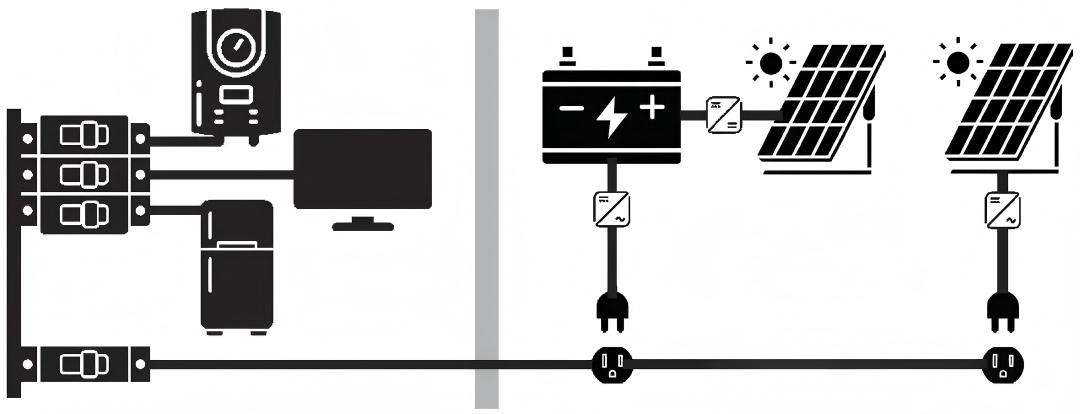

How to achieve the "zero backflow" solution for balcony photovoltaic + energy storage?
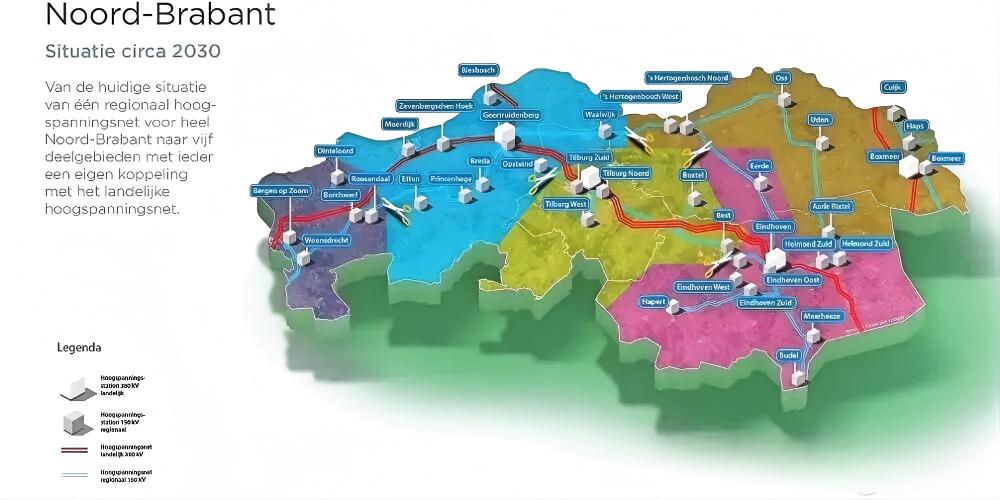
In the Netherlands and Belgium, the congestion of the low-voltage grid restricts the grid connection of photovoltaic power and the consumption of renewable energy. By integrating rooftop photovoltaic power with small-scale energy storage and implementing zero backflow control, peak shaving and valley filling, as well as dynamic price response, the self-consumption rate can be increased, the pressure on the distribution network can be alleviated, and the IRR can be improved.
Key terms (all terms in this text are to be followed)
Grid Congestion: Refers to the situation where local distribution networks or transformer capacities are insufficient, resulting in grid connection restrictions and power generation limitations.
Self-Consumption: The proportion of local power generation that is directly consumed by the load.
Self-Sufficiency: The proportion of electricity demand that is met by local power generation.
Zero Return: By means of measurement and inverter control, the power fed back to the grid is approximately zero.
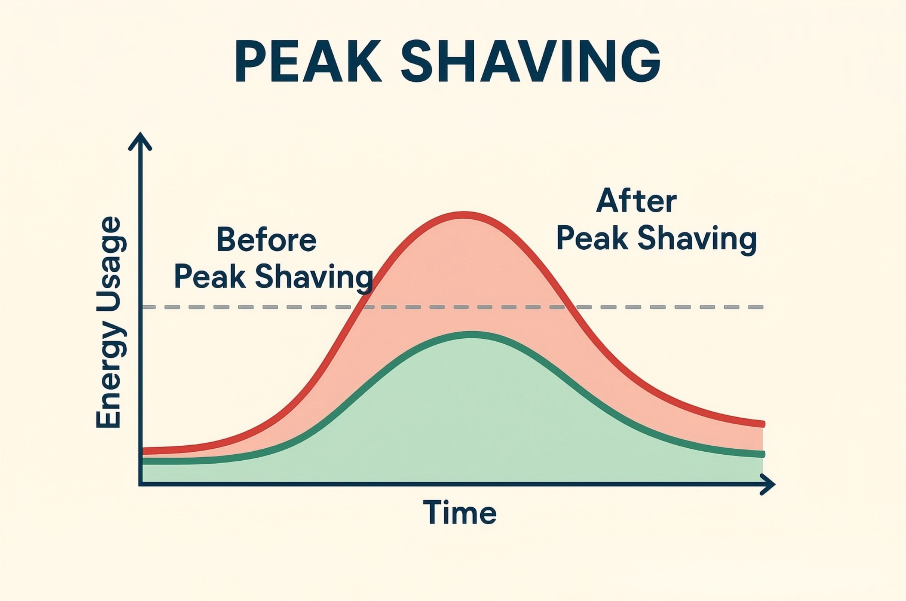
Peak Shaving & Valley Filling: Utilize batteries to reduce peak power and increase charging during off-peak hours.
Dynamic Tariff: The electricity price fluctuates according to different time periods or markets, allowing users to consume electricity at the most favorable price.
Capacity Tariff (commonly used in BE-FL): Charged based on the maximum demand per month/year.
HEMS - Home Energy Management System: A software platform that coordinates photovoltaic power, batteries, loads, and electricity price signals.
VPP Virtual Power Plant: Aggregating distributed resources to participate in the market and provide ancillary services.
NEPViewer (example of exclusive name): A cloud-based visualization and strategy distribution platform for distributed photovoltaic and energy storage systems.
ⅰ. Pain Point Analysis: How Traffic Congestion Hinders Rooftop Solar Power Generation
1.Residential Upstream Channel Saturation: The branch-line-distribution-transformer link is prone to full load during midday hours, leading to reverse power limitation and reverse power alarms.
2.Net metering retreat: The Netherlands delays and gradually weakens net metering, while Belgium (Flanders) focuses more on peak demand, leading to declining returns under the pure "generate as much as you sell" model.
3.Inverter curtailment: To comply with regulations, the inverter must reduce or cut off upward power output, resulting in wasted generation.
Conclusion: Generation capacity ≠ grid-connected capability. A combination of hardware and software for "local consumption + power shaping" is required.
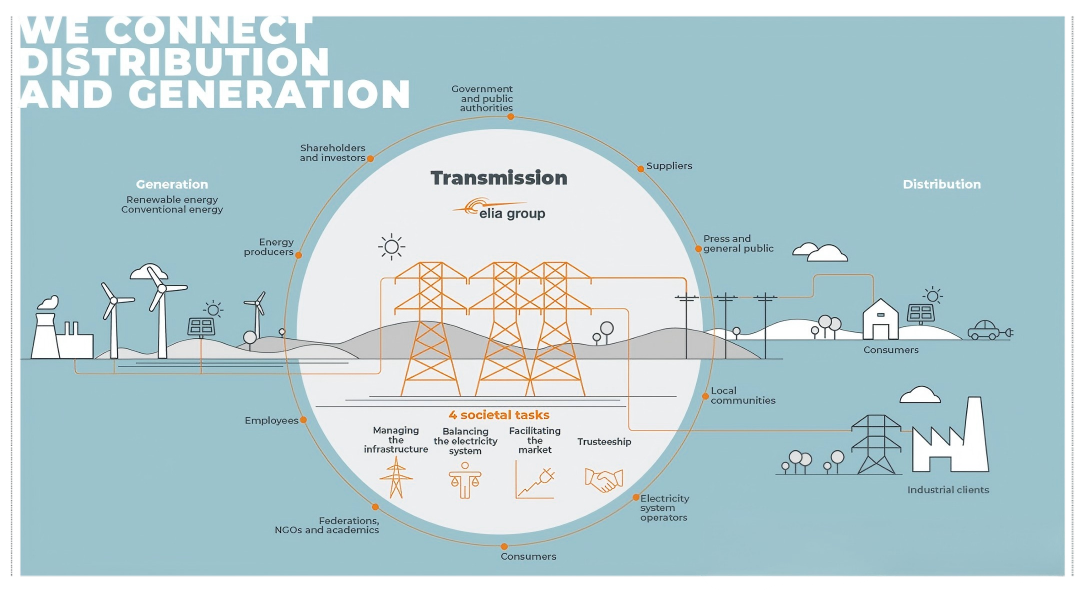
ⅱ. Collaborative Solution: Balcony Photovoltaics + Energy Storage + Zero Net Metering
2.1 Reference System Architecture
Solar side: 600-1000 W balcony module (micro inverter/micro storage integrated).
Metering side: Anti backflow smart meter (Wi Fi/Bluetooth), refreshing 50-200 ms, reporting P_grid to HEMS.
Energy storage side: 1-3 kWh wall mounted or box mounted batteries (BMS with SOH/SOC and power limiting).
Control side: HEMS/cloud platform (such as NEPViewer class), execute the P_gridref ≈ 0W strategy; When zero reflux is difficult to maintain, prioritize load (water heater/dehumidification/drying) and charging scenarios.
Grid side: compliant access, meeting local wiring requirements EMC、 Safety regulations and anti islanding requirements.
2.2 Key Control Logic (Engineering Perspective)
Goal setting: P_gridref=0W or+30W micro positive, ensuring that the meter indicates purchase of electricity.
Power loop: PI/trapezoidal+slope limit, ΔP≤50–100 W; Issued with a cycle of 150-200 ms to avoid oscillation.
Filtering: 50ms rolling window+exponential/Kalman filtering to suppress home appliance ripple.
Fault tolerance: CT reverse connection/wrong phase sequence software self calibration; Communication packet loss enters the conservative power curve and timeout derating.
Scene linkage:
Noon reflux risk ↑ → Start priority load (600-1200 W) absorption;
Low valley electricity price/high irradiation → charging;
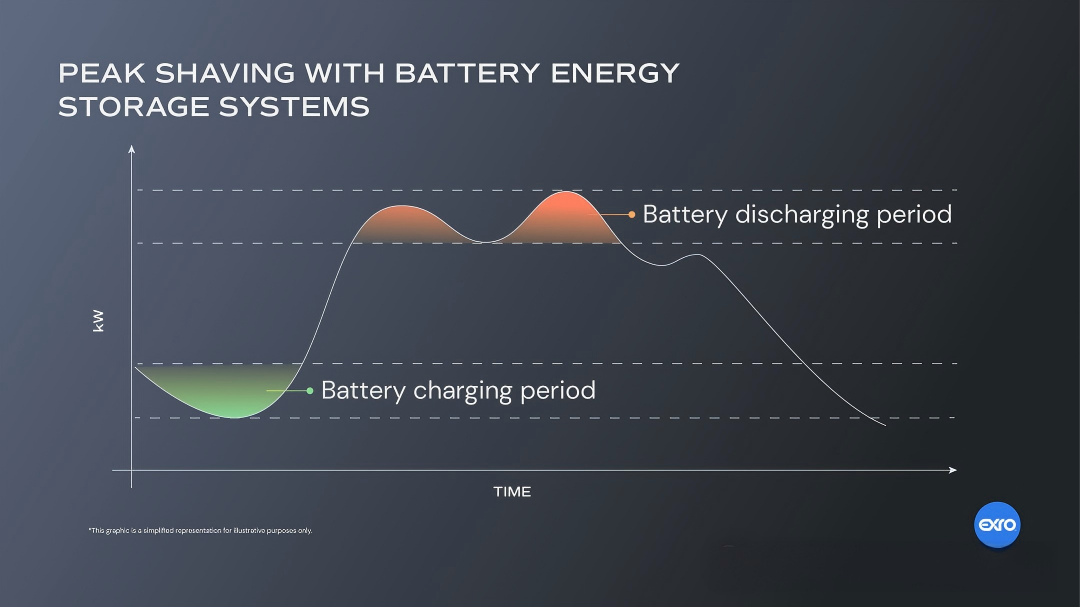
Peak/capacity electricity bill window → discharge peak shaving.
ⅲ. Netherlands/Belgium: Policy and billing point
| Netcongestie | ||
| Zero reflux+small energy storage+flexible load | Peak shaving first+zero reflux+small energy storage |
ⅳ. Revenue model: from "restricted distribution" to "chargeable flexibility"
4.1 Example of balcony+small energy storage (assumed value, easy to reproduce)
Equipment: 0.8 kWp balcony photovoltaic+2 kWh battery;
Power generation: 0.95 MWh/kWp · year (common in NL/BE) → Annual power generation ≈ 760 kWh;
Electricity price: electricity consumption of € 0.30/kWh; Feed network € 0.08/kWh (example);
Load curve: low at noon and high at night; Self consumption without energy storage ≈ 35%, self consumption with energy storage ≈ 70-80%.
Comparison of annualized returns
No energy storage: Self use 266 kWh x € 0.30+On grid 494 kWh x € 0.08 ≈ € 142/year
Energy storage (self use 75%): self use 570 kWh x € 0.30+grid connected 190 kWh x € 0.08 ≈ € 193/year
Incremental revenue ≈ € 51/year (only considering electricity price difference), if combined with capacity fee peak shaving and dynamic electricity prices, can further increase by 10-30% (depending on the curve and electricity price elasticity).
4.2 IRR/payback period (example caliber)
CAPEX: Balcony kit € 700, 2 kWh battery € 1000, meter and installation € 300 → € 2000;
Annualized income: € 200- € 270 (including peak shaving/dynamic electricity prices);
Static payback period: approximately 7.4-10 years;
IRR: 6-10% range (depending on electricity price fluctuations, capacity fee levels, and load controllability).
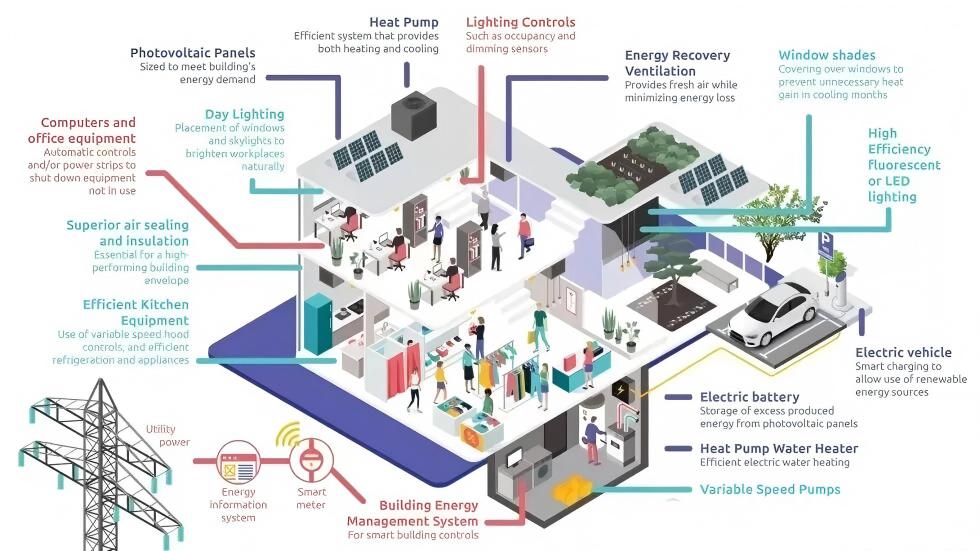
ⅴ. Compliance and Certification Checklist (Common for Small Household Storage/Micro Reverse)
Safety regulations/grid connection: EN 50549-1/-2 or local grid connection code, VDE-AR-N 4105 (German reference), G98/G99 (English reference, for design benchmarking).
Inverters and micro inverters: anti islanding, DC insulation monitoring, EMC and harmonic/flicker.
Battery: UN 38.3 transportation, IEC 62619/IEC 62133-2 safety, IEC 62040 system level (reference); Residential installation follows local fire safety and spacing regulations.
Measurement/Communication: MID measurement compliance (if required), Wi Fi/Bluetooth electromagnetic compatibility; Data privacy complies with GDPR.
Construction: circuit selectivity, RCD/MCB matching, cable diameter and weather resistance, balcony structure and load verification.
ⅵ.Three landing paths for the Netherlands/Belgium
1.Integrated balcony micro storage: micro reverse+small battery+smart socket+zero reflux meter, suitable for rental and old residential areas;
2.HEMS priority load: linked with water heater/air conditioner/dehumidification/drying, "ate up" during the day;
3.Capacity fee friendly package (BE-FL): Battery+control to push the maximum demand for 15 minutes to the target level, directly reducing the bill.